
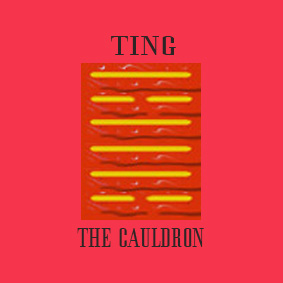
50. Ting; The Cauldron Above; Li the Clinging fire Sun the Gentle wind, wood |
21st Century |
Comparisons |
| The Cauldron refers to refined values and how they can be
consumed through carelessness. The cauldron the cooking implement of
ancient china contains the nourishing things of society. Sometimes
those things are not so nourishing but are the dregs of conservatism and
have turned foul. Then the overturning of the cauldron removes the odious
material. Allows for new ingredients to be put in the pot.
When society is rich and fruitful there is nourishment for all. In the midst of a rich and sophisticated world to feel unused, overlooked is perilously easy. Patience leads to each in their own time. A time comes for each and every person where the skills and knowledge they have will be of use. Character, knowledge, and appropriateness are ingredients for success in the endeavours needed to be undertaken. Character is like stone foundations. Knowledge is the contents of the cauldron and appropriateness is the means by which its contents are delivered for the welfare of all. Jade handles representing the spiritual endurance required for successful completion of long significant works. |
Below are the comparative interpretations of a) Legge, b) Willhelm, c) Riefler, d) Crowley
a) The caldron overthrown, and its feet turned up. (But) there will be advantage in its getting rid of what was bad in it. (Or it shows us) the concubine (whose position is improved) by means of her son. There will be no error.
b) A ting with legs upturned. Furthers the removal of stagnating stuff. One takes a concubine for the sake of her son. No blame.
c) The caldron has been overturned in order to cleanse it. The concubine gives birth to a son and improves her position. No mistakes.
d) Upset foul pots! Thy Whore earns mother-fee.
a) the caldron with the things (to be cooked) in it. (If its subject can say), "My enemy dislikes me, but he cannot approach me," there will be good fortune.
b) There is food in the ting. My comrades are envious, but they cannot harm me. Good fortune.
c) A stew in the caldron. Auspicious if you feel safe from your enemies.
d) Before thou eat, set guards about thy table!
a) The caldron with (the places of) its ears changed. The progress (of its subject) is (thus) stopped. The fat flesh of the pheasant (which is in the caldron) will not be eaten. But the (genial) rain will come, and the grounds for repentance will disappear. There will be good fortune in the end.
b) The handle of the thing is altered. One is impeded in his way of life. The fat of the pheasant is not eaten. Once rain falls, remorse is spent. Good fortune comes in the end.
c) The ears of the caldron are not in the right place. The man is stopped short. The pheasant will remain uneaten. The gentle rain will finally bring relief. Guilt will disappear. Auspicious in the end.
d) Frowns Failure if thou be not equitable.
a) The caldron with its feet broken; and its contents, designed for the ruler's use, overturned and spilt. Its subject will be made to blush for shame. There will be evil.
b) The legs of the ting are broken. The prince's meal is spilled And his person is soiled. Misfortune.
c) The man breaks the feet of someone else's caldron. It tips and everything spills out. Ominous. Guilt.
d) Then shame on thee, thou case is pitiable.
a) The caldron with yellow ears and rings of metal in them. There will be advantage through being firm and correct.
b) The ting has yellow handles, golden carrying rings. Perseverance furthers.
c) The caldron has yellow ears and gold rings. Keep to your course.
d) Gold ornaments men's firm sincerity.
a) the caldron with rings of jade. There will be great good fortune, and all action taken will, be in every way advantageous.
b) The ting has rings of jade. great good fortune. Nothing that would not act to further.
c) The caldron has handles of jade rings. Very auspicious. Success whatever you do.
d) And rings of jade attest him honourable.